|
|
HISTORY
|
FRANKIE MANNING
(26 May 1914 - 27 April 2009)
Click Here For The New York Times Obituary
FRANKIE MANNING IN MEMORIAM
Frankie Manning, the ambassador of lindy hop, passed away on April 27, 2009 after a full and rich life of 94 years. This video was compiled for a memorial dance at the Jam Cellar in Washington DC. Frankie will be dearly missed, but his legacy lives on through lindy hoppers all around the world.
Lindy Hop is the original swing dance and is considered by many to be the most exciting dance ever. It’s the grand daddy of them all. Without Lindy Hop there would be no Rock and Roll or Modern Jive.
Lindy Hop was born in the late 1920’s. It evolved from earlier dances such as the Ring-Shout, the Black Bottom, the Big Apple, tap dance, the Grizzly Bear and grew directly out of the Charleston. It is a combination of formal European dance forms and the earthy rhythms and body posture from Africa.
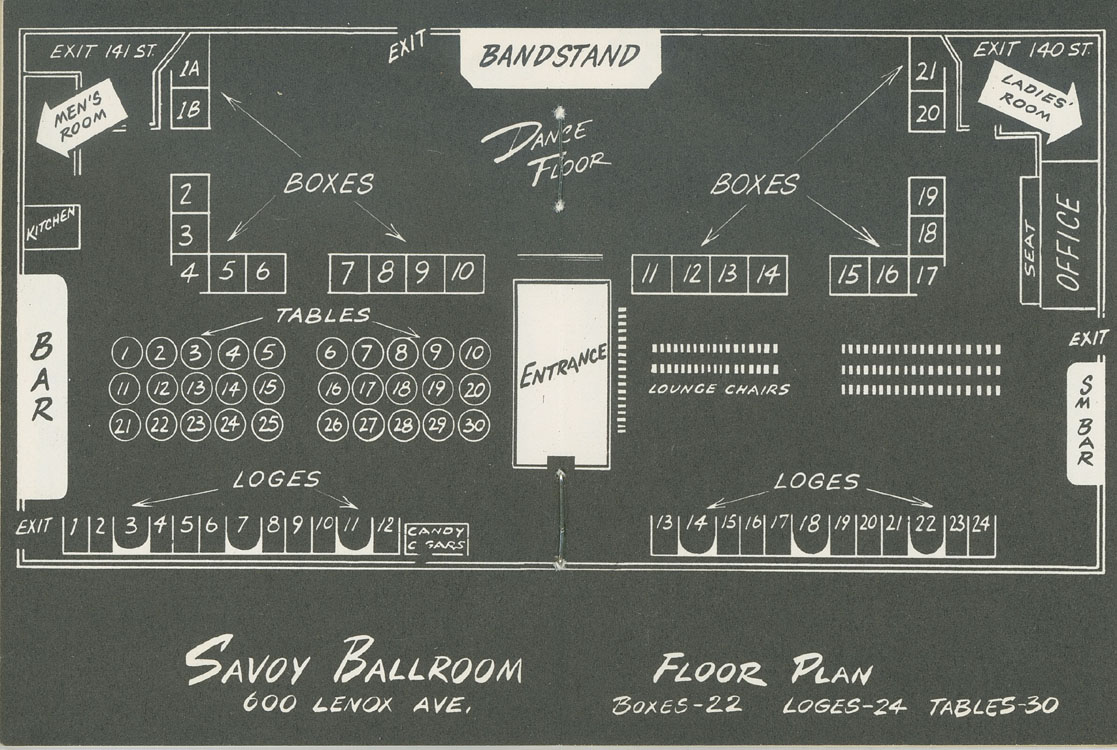
The Savoy Ballroom (aka The Track and the Home of Happy Feet) in Harlem, was the birthplace of the Lindy Hop. It had a block-long dance floor and a raised double bandstand. It was a place where race was irrelevant. If you walked into the Savoy, the only thing that mattered was could you dance? Social dance played an important role in Harlem life, for many it was a reprieve from the harsh economic realities of the time (especially The Great Depression from 1929). It was a way for people to celebrate, to escape and to express their identity. The Savoy attracted the best dancers in New York, put on cabarets and special evenings. Competitions, such as dance marathons were popular. At a time of total social segregation blacks and whites not only shared the same dance hall but also danced together to bands of mixed colour.
The music was vital to Lindy Hop, with Duke Ellington and Benny Goodman leading the way for Swing. Chick Webb led the resident Savoy Band with teenage Ella Fitzgerald as vocalist. Live bands helped the improvisation and musicality which are the life blood of Lindy Hop.
Some dancers stood out and took the dance to new heights. “Shorty George” Snowden (only 5ft tall) together with his partner “Big Bea” (6ft tall), was an innovator, but soon had competition from Frankie Manning who invented the first air step in 1935 having been inspired by Shorty George and Big Bea. Frankie became lead choreographer of Whitey’s Lindy Hoppers, the troupe of the Savoy, performing all over the world including for the British King and Queen in the 2nd World War. Dean Collins took Lindy Hop to Hollywood and there is still the Hollywood style today.
Shorty” George Snowden (July 4, 1904 – May 1982), known for his comically intricate footwork, reigned as the top dancer n the Savoy Ballroom (with the title, “King of the Savoy”) in Harlem from its opening in 1927 into the early 30’s, when he formed the first professional Lindy Hop troupe, the Shorty Snowden Dancers. They performed with the Paul Whiteman Orchestra at the Paradise Club downtown through most of the thirties.
Shorty George is popularly credited with coining the name “Lindy Hop”. As the story goes, there was a charity dance-marathon at the Rockland Palace, Harlem in New York City on July 4, 1928. On the 18th (!) day of the marathon, the NYC Board Of Health finally closed down the event. Four of the original 80 couples were left standing. Savoy star “Shorty” George Snowden and his partner, Mattie Purnell, shared the prize with the other three couples.
Earlier, with the event in full swing, people could post a small cash prize with the MC for a brief mini-contest among the survivors. This was the backdrop for Shorty’s spontaneous/accidental, throw-out breakaway and flash footwork improvisation, capturing media attention. “What are you doing with your feet?” asked the Fox Movie Tone News interviewer. “The Lindy (Hop?)” replied Shorty.
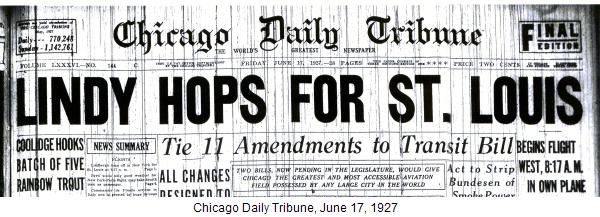
In 1919 Raymond Orteig, a hotel owner in New York in New York City, offered a prize of 25000 dollars to the first pilot to fly non-stop from New York to Paris. By 1927, 4 men had died, 3 were seriously injured and 2 others went missing. In May 1927, Charles A. Lindbergh 'Lucky Lindy', piloted 'The Spirit of St Louis' and became the first person to fly solo, non-stop, across the Atlantic ('Hopping the Atlantic'), from New York to Paris claiming the prize.
The first woman to fly solo across the Atlantic from Newfoundland to Ireland, was Amelia Earhart 'Lady Lindy' in 1932, who was inspired by Charles Lindbergh's flight. She was awarded the Distinguished Flying Cross by the US Congress. The Cross of Knight of the Legion of Honor from the French Government and the Gold Medal by the National Geographic Society from President Herbert Hoover.
During the war Lindy Hop was brought over to Europe by the American GI’s and helped to keep peoples’ spirits up. Glenn Miller, Benny Goodman, Count Basie, Woody Herman and many more brought Big Band music to everyone which still lives on to this day.
Post-war, big bands became too expensive, dance floors became smaller and 3-5 players in Rock and Roll bands were popular. Jazz became more complex and meant to be listened to, Frankie Manning could not earn a living as a dancer and worked for the American Post Office for 30 years. Other dancers carried on but the memory of Lindy Hop faded.
The revival of Lindy Hop began in 3 countries in 1984 when Swedish troupe the Rhythm Hotshots, Warren Heyes in the UK (Jiving Lindy Hoppers) and Steven Mitchell and Erin Stenes, dancers from California separately started to seek out original Lindy Hoppers to show them how it was done. Frankie Manning and Norma Miller came out of retirement and toured all over the world teaching the Lindy Hop.
Lindy Hop has come back to life. The BBC’s ’Strictly Dance Fever’ and similar programmes have popularised the dance and Swing Music once again. Frankie Manning still inspires Lindy Hoppers around the world!
More Historical Information:
February is Black History month in America.
The Science and Magic of Lindy Hop
Lindy Hop and Jitterbug in the UK
Newspaper Article (1) Charles Lindbergh's Flight
Newspaper Article (2) Charles Lindbergh's Flight
Newspaper Article (3) Charles Lindbergh's Flight
Newspaper Article (4) Charles Lindbergh's Flight
Newspaper Article 'The Lindbergh Hop'
Banquet in Honour of C Lindbergh
Savoy Ballroom Floor Plan (date unknown)
Images of the Savoy Ballroom, Harlem
Newspaper Article Trumpeter Pat Jenkins of the Savoy Sultans
Newspaper Article Drummer 'Panama' Francis of the Lucky Millinder Orchestra
Newspaper Article Simon Selmon
VIDEOS:
The Track Podcast. Host Ryan Swift interviews Ryan Francois (audio only)
Story Time With Chester Whitmore. A Brief History Through Tap
Legacy of Frankie Manning with Chester Whitmore and others
Story Time with Chester Whitmore. Untold Story of Jazz and Blues in America
Lost Heritage From Jazz to Hip Hop by Prof. Moncell "ill Kozby" Durden
The History of the History of Black Dance in America. Chester Whitmore
Complete "Born To Swing" Documentary
Full List Of Frankie Manning On Film: Frankie Manning Foundation
F 100: Hellzapoppin competition. The last tune was played at over 300bpm!
Dawn Hampton & John Dokes: Connection. Musicality. Fun.
The Savoy Ballroom: From those who were there.
The Spirit of the Savoy: More from those dancers who were there.
Frankie Manning Dancing at the Savoy Late 1930's: Young Frankie social dancing in a suit.
Whitey's Lindy Hoppers Radio City Revels 1938: Notable for being Frankie Manning's first swing-outs in a feature film.
Gap Commercial - Khaki Swing from 1998 helped propel swing music back into the mainstream and publicized the swing revival of the late 90's.
20 Original Lindy Hoppers Every Beginner Dancer Should Know
Black American Jazz legends all Lindy Hoppers should know.
Chester Whitmore
Introduced by Dawn Hampton, another Lindy Hop legend.
(It was a truly memorable night!)
Barbara Billups, Sugar Sullivan, LaTasha Barnes and Barbara Morrison
Any time. Any where (South West Lindy Hoppers)
© Cholla Media Services 2007